What Does a Civil and Structural Engineering Consultant Do?
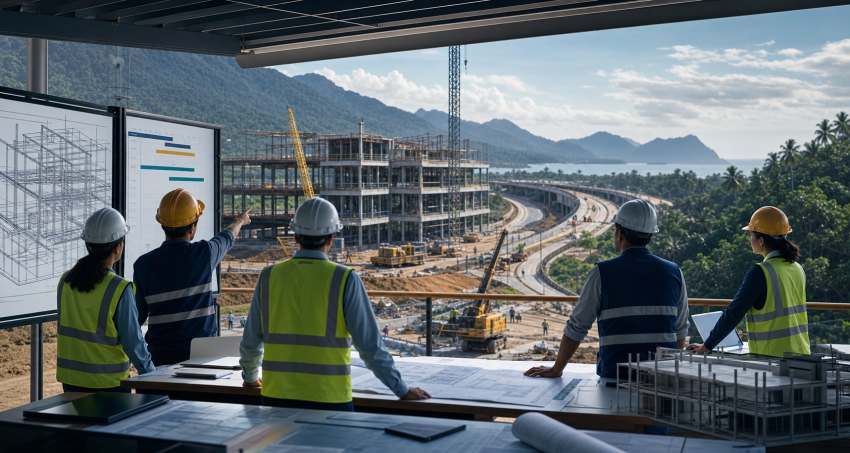
A civil and structural engineering consultant helps turn a development idea into a project that can be assessed, designed, approved, priced, built and maintained.
Depending on the appointment, the consultant may advise on site feasibility, coordinate engineering disciplines, design roads and drainage, develop structural systems, prepare authority submissions, produce tender documents, support construction and inspect completed work.
The exact scope depends on the project and the services agreed with the client. For projects in Sabah, engineering decisions may also need to account for terrain, coastal conditions, variable ground, rainfall, access, existing utilities and local authority requirements.
In simple terms, an engineering consultant helps the project team make sound technical decisions from the first site assessment through to construction and handover.
What Is the Difference Between Civil and Structural Engineering?
Civil engineering and structural engineering are separate disciplines, but most building and development projects need them to work closely together.
Civil Engineering
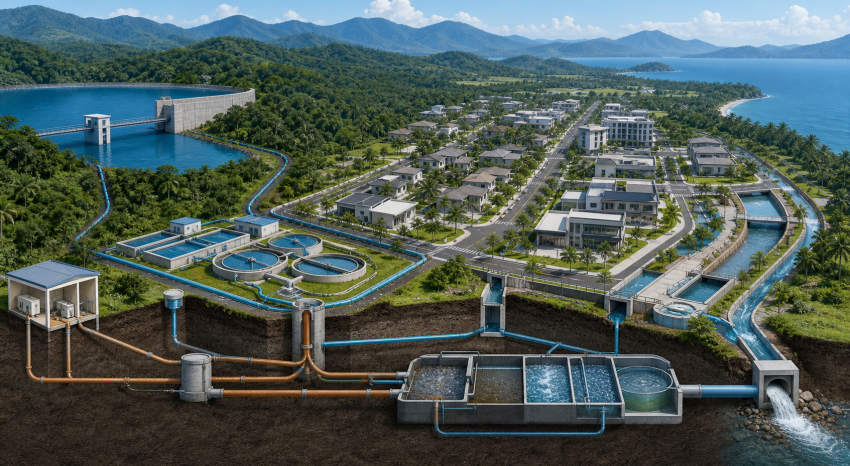
Civil engineering generally deals with the site and the infrastructure that allows a development to function. This can include:
- Site planning, grading and earthworks
- Access roads, internal roads and highway-related works
- Stormwater drainage and flood management
- Water supply, sewerage and wastewater systems
- Utility corridors, pipelines and pumping stations
- Retaining structures, slope works and ground improvement
- Marine works, jetties, reclamation and coastal infrastructure
Read more about civil engineering and civil works in Sabah.
Structural Engineering
Structural engineering focuses on how a building or structure carries loads and remains safe and serviceable throughout its intended life. This can include:
- Foundations and piling systems
- Beams, columns, slabs and structural frames
- Reinforced concrete, steel and other structural systems
- Retaining walls and basement structures
- Industrial buildings, warehouses and commercial developments
- Structural assessment, strengthening and construction support
See the full range of structural engineering services provided by WHG.
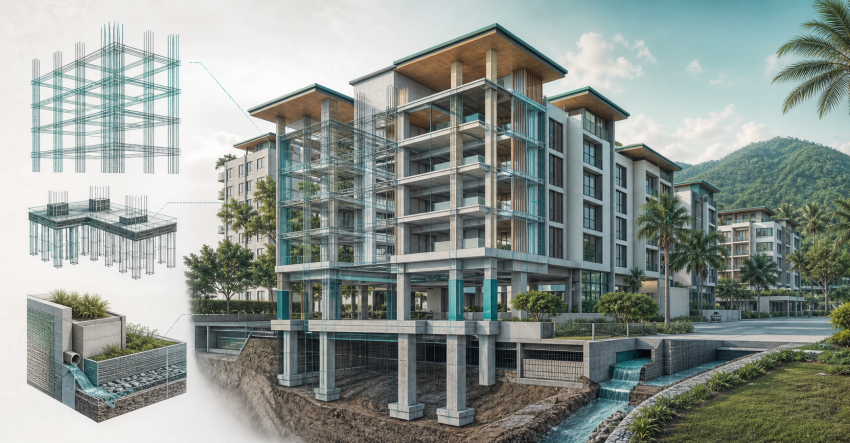
The two disciplines often need to be coordinated. A residential development, for example, may require building structures, foundations, site roads, drainage, water supply, sewerage and earthworks.
These decisions should not be made in isolation. A change to the building layout can affect site levels, roads, drainage, retaining walls, foundations and utilities.
What Does an Engineering Consultant Do at Each Project Stage?
1. Feasibility and Early Planning
Engineering input is useful before the design is fixed or major commitments are made. At this stage, the consultant may review:
- The site location, boundaries, levels and access
- Existing roads, drainage, water, sewerage and utility connections
- Ground conditions, slopes, coastal exposure and potential foundation issues
- Drainage catchments, flood risks and stormwater requirements
- The proposed development size, layout and infrastructure demand
- Potential authority submissions, surveys and investigations
This is the stage where early questions can prevent expensive changes later. The purpose is to help the owner understand what the site can support, what information is missing and which risks should be investigated.

2. Surveys, Investigations and Technical Studies
Good design depends on reliable information. Depending on the project, the consultant may coordinate or review topographical surveys, site investigations, geotechnical information, existing-condition surveys, drainage studies and utility records.
These studies help the design team understand the ground, levels, constraints and existing infrastructure. If the available information is incomplete, the consultant can advise on what further work is needed before design decisions are finalized.
3. Civil and Structural Design
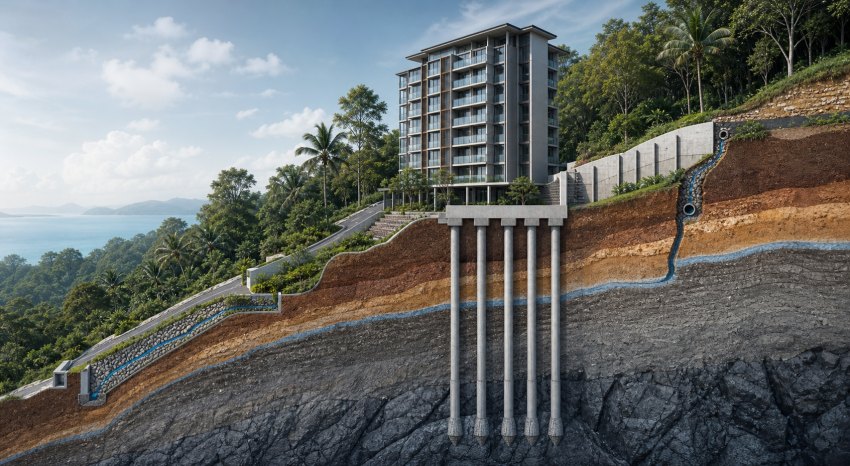
Once the project requirements and site information are clear, the consultant develops the technical design. The deliverables may include calculations, drawings, specifications, schedules and design reports.
Civil design may cover site levels, earthworks, roads, access, drainage, water supply, sewerage, utilities and related infrastructure. Structural design may cover the structural system, foundations, framing, slabs, retaining structures and the materials and details required for construction.
The consultant also coordinates with the architect, geotechnical engineer, mechanical and electrical consultants, landscape designer, quantity surveyor, contractor and relevant authorities.
4. Authority Submissions and Approvals
Many projects require technical documents to be submitted to the relevant authorities and service agencies. The consultant may prepare engineering drawings, calculations, reports and supporting information, then respond to technical comments during the review process.
The exact requirements depend on the project location, type, scale and approving bodies. An engineering consultant can support the technical submission, but approval timelines and decisions remain subject to the relevant authorities.
5. Tender and Procurement Support
Before construction begins, the consultant may prepare or contribute to tender drawings, technical specifications and other engineering documents. These documents help contractors understand the required scope, develop a price and plan the work.
The consultant may also respond to technical questions during tender, assist with technical comparisons and clarify the design intent.
6. Construction-Stage Support
During construction, the consultant may review technical submissions, shop drawings and proposed changes; respond to site queries; attend coordination meetings; inspect work at agreed stages; and advise on whether completed work generally follows the design intent.
The role during construction depends on the appointment. Design consultancy, site inspection, contract administration, project management and full-time supervision are different services. These responsibilities should be defined clearly before work begins.
7. Completion and Handover
At the end of construction, the consultant may support final inspections, defect reviews, technical documentation, testing records, as-built information and handover requirements, depending on the agreed scope.
A clear handover process gives the owner a better record of what was built and what future maintenance or improvements may require technical reference.
What Types of Projects Need Civil and Structural Engineering?
Engineering consultants support a wide range of projects. The balance between civil and structural work changes according to the type of development.
- Residential developments: Housing estates, apartments, condominiums, townships and bungalows require coordinated building, foundation, road, drainage, water and sewerage design.
- Commercial and public buildings: Offices, hotels, shopping centres, schools, hospitals and sports facilities require structural systems and supporting site infrastructure.
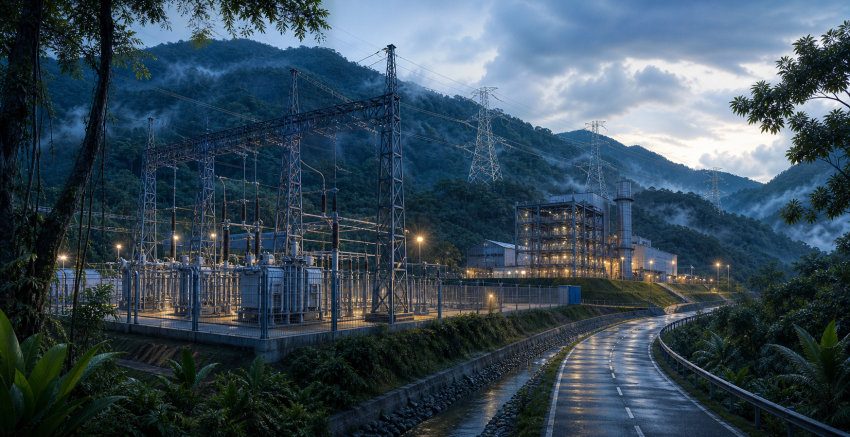
- Industrial projects: Factories, warehouses, processing facilities and energy infrastructure may involve heavy foundations, access roads, service yards, drainage, utilities and specialised structures.
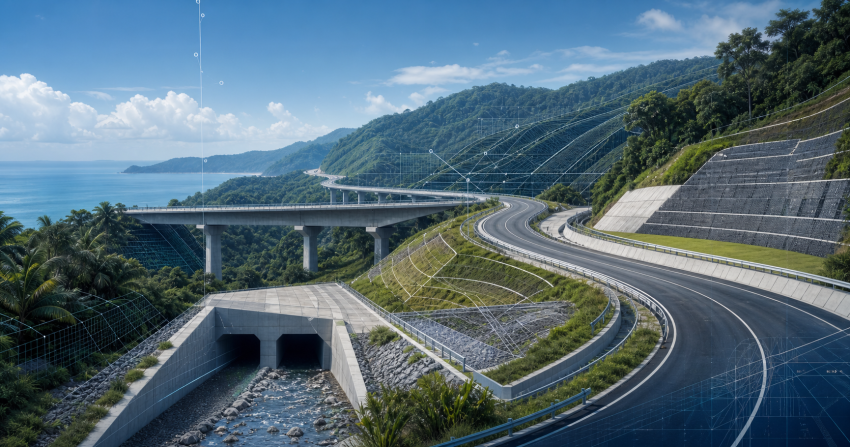
- Roads and infrastructure: Roadworks, earthworks, drainage networks, water supply, sewerage and other public infrastructure require civil engineering from planning through construction.
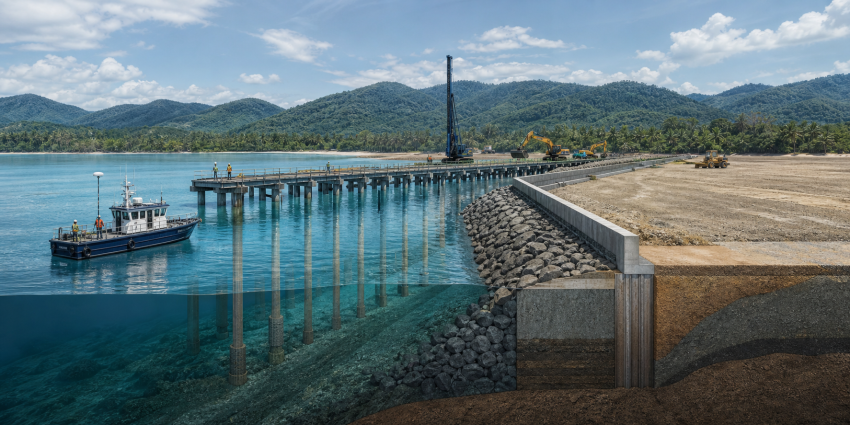
- Marine and coastal works: Jetties, ports, piling, reclamation and related works require careful consideration of ground, water and environmental conditions.
You can view WHG’s completed project history to see examples of the sectors and project types covered by the firm.
Why Work with an Integrated Engineering Team?
Projects become more difficult when civil, structural, geotechnical and architectural decisions are made separately. An integrated engineering team helps coordinate these decisions around the same site information, programme and construction objectives.
This can help the project team:
- Identify site and infrastructure constraints earlier
- Coordinate building levels, foundations, roads, drainage and utilities
- Make more informed decisions about feasibility and constructability
- Prepare clearer technical documents for authority review and tendering
- Resolve technical questions more efficiently during construction
- Maintain a clearer record from design through handover
Wang Haron & Goh provides integrated engineering consultancy services for government, commercial, residential, industrial and infrastructure projects across Sabah and Malaysia.
Questions to Ask Before Appointing a Consultant
- What project stage are we currently in?
- Which engineering disciplines are required?
- Are the site survey and ground information available?
- Which authorities and submissions are involved?
- Do we need design only, or construction-stage support as well?
- What information does the consultant need before starting?
- What deliverables and responsibilities are included in the appointment?
What Information Should You Prepare?
Before contacting an engineering consultant, prepare as much of the following as possible:
- Site location, lot details and available land information
- Proposed use, approximate size and number of buildings or units
- Site photographs and any existing drawings or survey plans
- Available soil, topographical, drainage or utility information
- Current project stage and target timeline
- Known authority, access or infrastructure requirements
- The specific decision or problem you need help with
You do not need to have every answer before making an enquiry. The first conversation should establish what is known, what is missing and which engineering services are appropriate.
Speak with a Civil and Structural Engineering Consultant in Sabah
Wang Haron & Goh Sdn. Bhd. was established in 1970 and provides civil, structural and related engineering consultancy services for development, infrastructure, commercial, residential, industrial and public-sector projects.
If you are planning a project, send us the site location, development type, approximate scale, current project stage and the engineering decision you need help with. This gives our team a practical starting point.

